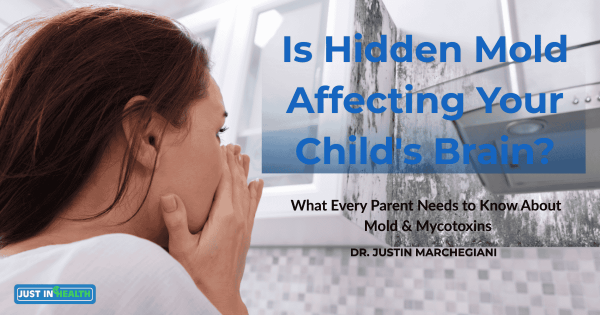
If your child struggles with focus, learning difficulties, digestive issues, or mysterious behavioral changes, the answer might be hiding in plain sight—or growing silently in your home. Mold exposure and mycotoxin accumulation represent one of the most overlooked root causes of childhood developmental challenges, affecting everything from cognitive function to immune health.
The statistics are alarming: studies show that mycotoxin exposure during critical developmental windows can lead to cognitive impairments, gastrointestinal dysfunction, and even neural tube defects in developing fetuses. Yet most parents have no idea their child’s home or diet could be creating a toxic environment that’s literally impacting brain development at a cellular level.
I’m Dr. Justin Marchegiani, a functional medicine practitioner who specializes in identifying and addressing the root causes of chronic health issues in children and adults. Over the years, I’ve worked with hundreds of families struggling with unexplained developmental delays, learning disabilities, and behavioral challenges, and I’ve seen firsthand how addressing mold and mycotoxin exposure can transform a child’s health trajectory.
In this comprehensive guide, you’ll learn:
Before we dive into solutions, let me clarify what we’re dealing with. Fungus serves as the umbrella term, with two main categories affecting human health:
Multicellular Molds include species like Aspergillus, Penicillium, Stachybotrys (black mold), and Fusarium. These environmental molds grow in water-damaged buildings and produce dangerous mycotoxins—essentially the “flatulence” or toxic byproducts of mold metabolism. Research has identified over 300 different mycotoxins, including trichothecenes, ochratoxin A, aflatoxins, and fumonisins, each with distinct health impacts.
Unicellular Yeasts like Candida albicans colonize the gut and produce their own toxins, particularly acetaldehyde, which disrupts neurotransmitter function and depletes B vitamins essential for brain development. While technically different from environmental molds, Candida overgrowth often coexists with mycotoxin exposure and compounds the toxic burden.
I emphasize the critical point with every family: your child’s gut can literally become a mold factory when fed the wrong foods, creating an internal source of toxins that rivals environmental exposure.
A groundbreaking study on mycotoxin effects in child development reveals the extensive damage these compounds inflict across all developmental stages. During pregnancy, maternal mycotoxin exposure increases rates of low birth weight, growth retardation, cognitive abnormalities, and neural tube defects in fetuses.
The research demonstrates clear links between mycotoxin exposure and developmental delays, immune system dysfunction, gastrointestinal problems, bloating and digestive distress, and cognitive impairments affecting learning and behavior in infancy and early childhood. As children progress through school years, chronic mycotoxin burden manifests as academic failures, neurological dysfunction, and persistent developmental delays that conventional medicine often misdiagnoses or treats symptomatically with stimulant medications.
I’ve observed these patterns repeatedly in my clinical practice. Children placed on Ritalin, Adderall, or other stimulants for ADHD symptoms often show dramatic improvement when we address underlying mold exposure and gut dysfunction—without the concerning effects these medications may have on developing brains.

Understanding what mold needs to thrive empowers you to eliminate it effectively. Mold requires three conditions:
Carbohydrate Source: On an acute level, this comes from water damage hitting drywall, hardwood, or structural wood. Chronic, even household dust provides sufficient fuel for mold growth.
Moisture: Acute moisture comes from burst pipes, leaks, or flooding. Chronic moisture accumulation occurs when indoor humidity exceeds 50 percent, creating perfect growing conditions without apparent water damage.
Warmth: Mold thrives in typical home temperatures, particularly in consistently warm and humid basements.
Most people don’t realize that their basements naturally have about 20 percent higher humidity than other areas of their homes. Combined with infrequent cleaning and poor air circulation, this creates the perfect mold habitat. That characteristic musty smell everyone recognizes? That’s how your nose detects active mold growth and mycotoxin production.
Geography matters significantly. If you live in humid climates—particularly the southern United States—your HVAC system alone cannot maintain healthy humidity levels. Even with your thermostat set at 70-72°F, indoor humidity often remains in the low 60s, well above the safe threshold. This is where dedicated dehumidification becomes essential, not optional.
I always start with diet because it’s the most foundational intervention. Mycotoxins accumulate in ripening corn, cereal grains, soybeans, sorghum, peanuts, and other field crops. When conventionally-raised animals consume contaminated feed, these toxins concentrate in their meat, eggs, and dairy products.
Action Step: Remove processed grains, conventional peanut products, and grain-fed animal products from your child’s diet. Choose pasture-raised meats where animals eat their natural diet—grass for cattle, bugs and plants for chickens. This single change dramatically reduces dietary mycotoxin load.
Excess dietary sugar and processed carbohydrates feed fungal overgrowth in your child’s intestines, turning their gut into an internal mycotoxin factory. Research confirms that Candida overgrowth produces acetaldehyde, depletes B vitamins, and impairs energy production—all critical for healthy brain development.
Action Step: Implement a whole-foods diet centered on quality proteins and healthy fats at every meal. Drastically reduce or eliminate processed sugars, refined grains, and high-glycemic foods that fuel fungal proliferation.
Maintaining indoor humidity below 50 percent represents your first line of defense against mold growth. During colder months, humidity naturally decreases as air molecules contract and hold less moisture. However, warm, humid climates require active intervention year-round.
Action Step: Purchase quality humidity meters for bedrooms and common areas. Monitor levels for 24-hour periods to identify problem zones. If humidity consistently exceeds 50 percent, invest in a whole-house dehumidifier integrated with your HVAC system or use portable dehumidifiers in high-risk areas like basements.
High-efficiency particulate air filters capture mold spores, mycotoxins, and other airborne contaminants before your family breathes them. Combined with activated carbon filtration, these systems remove volatile organic compounds from furniture, flooring adhesives, paints, and other household sources.
Action Step: Install HEPA filtration systems with activated carbon (VOC) filters in bedrooms and main living areas. Run continuously to maintain clean air, particularly during sleep when immune systems perform critical repair functions.
Your child’s nasal passages provide the perfect environment for mold colonization—warm, dark, and moist. Airborne mold spores easily establish colonies in sinus cavities, creating localized infection and systemic mycotoxin exposure.
Action Step: Use sterile saline nasal rinses daily, particularly after outdoor exposure or in high-mold environments. Consider adding Xlear or similar products containing xylitol to break down biofilms before flushing with saline.
Plate testing offers an affordable, non-invasive method to identify active mold growth in your home. Exposing agar plates in different rooms for one to two hours allows you to visualize colony growth and identify problematic mold species.
Action Step: Purchase mold testing plates and place them in suspected problem areas—basements, bathrooms, rooms with exterior walls. After incubation, examine growth. More than five colonies of Aspergillus, Stachybotrys, Penicillium, or Fusarium warrant professional laboratory analysis and remediation.
Acute water damage from leaks, flooding, or pipe bursts requires immediate, professional remediation. Attempting DIY cleanup often spreads contamination and creates long-term health hazards.
Action Step: For significant water damage, hire certified mold remediation specialists who use proper protocols: containment with zipper walls, negative air pressure systems with HEPA filtration exhausting outdoors, careful removal and bagging of contaminated materials, and post-remediation dry fogging with botanical antimicrobials.
While not always within our control, the delivery method and infant feeding significantly impact gut microbiome development and immune system maturation. Vaginal birth transfers beneficial bacteria, while breastfeeding provides immunoglobulins and prebiotics that establish healthy gut barriers against fungal overgrowth.
Action Step: For expecting mothers, discuss the importance of vaginal delivery and exclusive breastfeeding with healthcare providers when medically appropriate. For children who missed these protective factors, focus intensively on gut health restoration through diet and targeted supplementation.
Your child’s brain comprises 70-80 percent fat, requiring abundant healthy fats, cholesterol, and fat-soluble nutrients for optimal development. Modern processed diets deprive developing brains of these essential building blocks while flooding systems with inflammatory compounds, artificial dyes like Red 40, and excessive sugars that disrupt neurotransmitter function.
Action Step: Build meals around nutrient-dense whole foods: pastured eggs, wild-caught fish high in omega-3 fatty acids, grass-fed meats, avocados, coconut oil, olive oil, and colorful vegetables. These provide the raw materials for healthy neurological tissue, cell membranes, and mitochondrial function.
For homes with chronic low-level mold issues that do not require full remediation, dry fogging with botanical antimicrobials can effectively denature mold and reduce mycotoxin levels. This process uses specialized equipment to disperse fine antimicrobial particles throughout affected spaces.
Action Step: After addressing humidity and implementing filtration, consider professional dry fogging with botanical compounds to knock down existing mold levels. Continue humidity control and air filtration to prevent regrowth.
In my practice, I utilize comprehensive functional medicine testing to truly understand your child’s mycotoxin exposure and create a personalized healing protocol. These advanced assessments go far beyond standard conventional labs, providing deep insights into fungal overgrowth, mycotoxin burden, and resulting metabolic dysfunction.
For mold and mycotoxin issues, I typically recommend several key tests. The Organic Acids Test (OAT) reveals markers of fungal overgrowth and mycotoxin exposure, including elevated arabinose, tartaric acid, and other metabolites produced by Candida and mold colonization. This test also shows how mycotoxins deplete essential nutrients and impair mitochondrial energy production. Through urine testing, the Mycotoxin Panel directly measures levels of specific mycotoxins like ochratoxin A, aflatoxins, trichothecenes, and gliotoxin, confirming exposure and quantifying toxic burden. For a comprehensive gut assessment, I use the GI-MAP stool test to identify fungal overgrowth, assess gut immune function, and evaluate intestinal permeability that allows toxins to enter systemic circulation.
These tests allow me to see what’s happening at a cellular and metabolic level rather than guessing at root causes. Based on your child’s unique results, I create customized protocols addressing specific imbalances—aggressive antifungal support, targeted binders to remove circulating mycotoxins, or intensive gut barrier restoration. This personalized approach proves far more effective than generic “mold detox” protocols because we’re targeting the exact issues shown in individual testing.
One physical sign I teach parents to watch for: allergic shiners—those dark circles or bags under the eyes that indicate lymphatic congestion and often correlate with significant environmental mold exposure. These visible markers, combined with symptoms like brain fog, difficulty concentrating, digestive complaints, unexplained fatigue, or behavioral changes, should prompt immediate investigation of mold exposure.
The conventional medical approach typically treats these symptoms with stimulant medications for ADHD, antihistamines for allergies, or dismisses concerns entirely. While these interventions may temporarily relieve, they never address the underlying mycotoxin burden driving dysfunction.
If your child struggles with learning difficulties, behavioral challenges, digestive issues, or unexplained developmental delays, I encourage you to investigate mold and mycotoxin exposure as a potential root cause. The peer-reviewed research clearly demonstrates these connections—we cannot ignore them.
Start with the fundamentals: clean up the diet, assess your home environment, install quality air filtration, and monitor humidity levels. These steps alone create dramatic improvements for many families. Comprehensive functional medicine testing and personalized protocols are essential for children with significant symptoms or confirmed exposure.
If you’re ready for personalized support in identifying and addressing mold-related health challenges in your child, I invite you to schedule a free consultation with me. During this call, we’ll:
I’ve helped thousands of families overcome the devastating effects of mold and mycotoxin exposure using the strategies I’ve shared today, combined with individualized functional medicine approaches tailored to each child’s unique situation.
Ready to uncover the root causes of your child’s health challenges?
👉 Schedule your free consultation here
Your child deserves to thrive—not just survive. Let me help you create a comprehensive plan that addresses these hidden toxins and restores optimal brain development, learning capacity, and vibrant health.
To your family’s health, Dr. Justin Marchegiani
==============================
Based on clinical experience, I recommend specific supplements and testing to support mycotoxin elimination and identify hidden mold burden. These products are available through the Just In Health Store.
Mosaic MycoTOX Profile—This advanced urine test detects 11 different mycotoxins from over 40 mold species, screening for aflatoxins, ochratoxins, trichothecenes, gliotoxin, and more. It pairs perfectly with the Organic Acids Test for a comprehensive toxin exposure assessment.
DSL GI-MAP Genetic Stool Test: This test reveals markers of fungal overgrowth and gut dysfunction, showing how mold colonization affects your microbiome and overall health.
GI Binder – A comprehensive blend combining clinoptilolite zeolite, activated charcoal from bamboo, and chlorella to support gastrointestinal detoxification. These natural binders help capture and eliminate mycotoxins, heavy metals, and other toxins from the digestive tract while supporting gut barrier integrity.
GI Restore – Advanced mucosal barrier restoration formula combining L-glutamine, zinc carnosine, N-acetyl D-glucosamine, and soothing botanicals. Essential for rebuilding gut lining damaged by mycotoxin exposure and restoring healthy digestive function.
Antioxidant Supreme provides N-acetyl cysteine (NAC), alpha lipoic acid, vitamin C, vitamin E complex, selenium, and zinc to support glutathione production and liver detoxification pathways critical for processing mycotoxins.
B-Vitamin Synergy—Activated B vitamins, including methylated forms, support methylation pathways and phase 1 liver detoxification, which are essential for mycotoxin metabolism.
GI Clear Series (GI Clear 1-6) – Comprehensive botanical formulas designed to address fungal overgrowth, support healthy microbial balance, and promote digestive wellness. Work with a functional medicine practitioner to determine which formulas suit your situation.
Curcumin Supreme – Features BioCurc® for superior absorption, providing powerful anti-inflammatory and antioxidant support to reduce oxidative stress caused by mycotoxin exposure.
Omega Supreme – High-potency EPA and DHA in triglyceride form support healthy inflammatory response, brain function, and cell membrane integrity compromised by mycotoxin exposure.
Multi Support Packs—Convenient daily packets provide comprehensive vitamin, mineral, and omega fatty acid support for overall wellness during detoxification.
Take binders like GI Binder on an empty stomach, at least 2 hours away from meals and other supplements to prevent nutrient depletion. Support your body’s detoxification pathways with antioxidants and B vitamins taken with meals. Always maintain proper hydration (half your body weight in ounces of water daily) and ensure healthy daily bowel movements to support toxin elimination.
Important: Work with a functional medicine practitioner to create a personalized protocol based on your testing results and individual needs. Mold detoxification requires professional guidance to ensure safe and effective treatment.
The Top Binders to Help Detox From Mycotoxins and Mold | Podcast #337

 speak pipe
 Rumble
 Youtube
 Apple
Apple
 LIBSYN
 Bitchute