By Dr. Justin Marchegiani
When you feel that first tickle in your throat or notice your energy declining, panic often sets in. Most people resign themselves to the inevitable: “Hold on tight and enjoy the ride!” But here’s what I’ve learned after two decades in functional medicine practice—you don’t have to be a passive victim to every virus that comes your way.
The difference between people who get sick multiple times each winter and those who stay healthy isn’t luck or superior genetics. It’s understanding how your immune system actually works and implementing strategic lifestyle modifications that support rather than sabotage your body’s natural defenses. I’m going to show you exactly how to do this, using the same principles I apply in my clinical practice and personally implement to stay healthy year-round, even when waterskiing in cold Austin winters.
Most people wait until they’re already sick to think about immune support. That’s backwards. True immune resilience is built through daily practices that create an internal environment so robust that your body handles normal pathogen exposure effortlessly. When you do encounter illness, these same principles—applied more aggressively—can prevent full-blown sickness or dramatically reduce severity and duration.
This article covers the foundational diet and lifestyle factors that determine immune competence. These aren’t optional preliminaries before getting to “the real stuff” (supplements)—these foundations ARE the real stuff. Supplements, which I’ll cover in Part 2, only work when built on a solid foundation of lifestyle practices. Skip these foundations, and you’re wasting money on supplements that can’t compensate for poor fundamentals.
Before diving into action items, let me briefly explain how your immune system operates. Understanding these basics will help you comprehend why the recommendations I’m making work so effectively. If you want to skip straight to practical advice, jump down to the Diet & Lifestyle section—but I recommend reading this. Knowledge empowers better implementation.
Your immune system operates through two primary branches—think of it like a military operation with frontline defense and backup reinforcements:
Th1 (Frontline Defense):
The Th1 response is your immune system’s Navy SEALs—the elite special forces providing immediate, aggressive response to invaders. These are your natural killer cells, cytotoxic T-cells, and macrophages (I like to call these the “Pac-Man” cells that gobble up bacteria and viruses). The Th1 system is constantly surveilling your body for threats and responds within minutes to hours when pathogens are detected.
This is your body’s wall—the barrier preventing infections from establishing themselves in the first place. When your Th1 response is strong, pathogens get destroyed before they can create symptoms. When it’s weak, infections easily penetrate your defenses.
Critical point: Vaccines do not affect Th1 function. This branch depends entirely on lifestyle factors—sleep, nutrition, stress management, and overall health status.
Th2 (Backup Reinforcements):
The Th2 response produces antibodies—specialized soldiers trained to fight specific enemies. When your Th1 defense gets overwhelmed, and infection establishes itself, your Th2 system kicks in to create customized weapons (antibodies) against whatever pathogen invaded.
The problem? Ramping up Th2 antibody production takes approximately 7 days. This is why the average cold lasts a week—that’s how long it takes your backup defense to mobilize effectively. By the time you have strong antibody responses, you’re usually already recovering.
Vaccines work on the Th2 branch by pre-programming antibody responses to specific pathogens. I’ll discuss vaccination strategies in a separate post.
The Seesaw Effect:
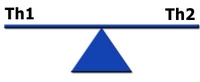
Here’s what most people don’t realize: Th1 and Th2 operate like a seesaw—as one goes up, the other goes down. Chronic stress, poor nutrition, and certain infections can shift you toward excessive Th2 activation, which actually suppresses your critical Th1 frontline defense. This creates vulnerability to repeated infections.
Understanding this balance is why I emphasize Th1 support through lifestyle factors. The stronger your frontline defense, the less often you’ll need the backup system that takes a week to mobilize.
Winter creates a perfect storm of immune suppression through multiple converging factors:
1. Reduced Sunlight and Vitamin D Depletion
At latitudes above 35 degrees north (roughly the line from Los Angeles to Atlanta), the angle of winter sunlight is insufficient for vitamin D synthesis in your skin, regardless of sun exposure duration (1). Your vitamin D levels plummet just when you need robust immune function most.
Vitamin D directly activates antimicrobial enzymes called cathelicidins that digest bacteria and viruses (2). When vitamin D drops below optimal levels (I target 50-70 ng/mL, not the conventional “normal” of 30 ng/mL), your immune system loses a primary weapon. This isn’t minor—it’s catastrophic for immune function.
I lived in Austin, Texas, and waterskied year-round in a wetsuit to maximize cold-exposure benefits and sunlight. Yet even in southern climates, I supplement with 5,000-10,000 IU vitamin D3 daily during winter months because sunlight alone is insufficient.
2. Holiday Stress and Sleep Deprivation
The holidays bring financial stress (shopping), social stress (family gatherings), and time stress (packed schedules). Simultaneously, social obligations and celebrations often compromise sleep, your immune system’s primary recharge time.
Research is unequivocal: sleep deprivation reduces natural killer cell activity by up to 72% after just one night of poor sleep (3). The World Health Organization classifies chronic sleep deprivation as a Group 1 carcinogen—in the same category as cigarettes and asbestos. This isn’t hyperbole; it’s recognition of sleep’s critical role in cellular repair and immune function.
3. Sugar Overload from Holiday Foods
Holiday celebrations mean constant exposure to cookies, desserts, and refined carbohydrates. Most people don’t realize that glucose and vitamin C are structurally similar molecules competing for the same receptor sites on immune cells (4). When you consume sugar, you’re literally blocking vitamin C from accessing your macrophages—the cells that devour bacteria and viruses.
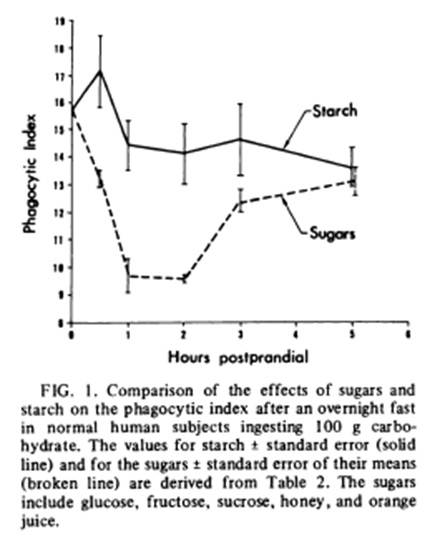
Research demonstrates that consuming just 75-100 grams of sugar (the amount in two sodas or a large dessert) suppresses neutrophil function by up to 50% for five hours (5). Your immune system is operating at half capacity throughout the day if you consume typical American levels of sugar and refined carbohydrates.
4. Indoor Crowding and Pathogen Exposure
Winter weather forces people indoors into poorly ventilated spaces where viruses concentrate. Holiday gatherings, airplanes, shopping malls, and office buildings become centers of pathogen transmission. You’re encountering exponentially more viral and bacterial exposure than during warmer months when people spend time outdoors in UV light (which kills many pathogens).
Understanding these winter challenges helps you appreciate why the following recommendations are critical—and why they work.
Sleep isn’t just rest—it’s when your immune system performs critical maintenance, produces immune cells, and processes inflammatory byproducts from daily immune activity. Cellular autophagy (your body’s cellular cleaning and repair process) peaks during sleep, particularly in the early morning hours.
Your body operates on circadian rhythms, which are synchronized with light-dark cycles. The optimal window for immune repair begins around 10 PM when human growth hormone production peaks and immune system reconstitution occurs most efficiently.
My Sleep Protocol:
Baseline Requirements:
When Feeling Symptoms:
Last time I felt a scratchy throat, I immediately scheduled my bedtime for 9:30 PM and slept until 8 AM—a full 10.5 hours. By morning, symptoms had resolved without progressing to full illness. This isn’t a coincidence; it’s strategic immune support.
The WHO classification of sleep deprivation as a carcinogen should terrify you into prioritizing sleep. Your immune system literally cannot function properly without adequate rest. All the supplements in the world won’t compensate for chronic sleep deprivation.
Action Item: Schedule 8-9 hours of sleep in a completely dark, calm environment. When you feel symptoms emerging, increase to 10+ hours immediately.
Vitamin D isn’t just a vitamin—it’s a hormone precursor that activates over 2,000 genes throughout your body, including genes that produce antimicrobial peptides like cathelicidins (2). These compounds literally punch holes in bacterial and viral membranes, destroying pathogens before they can establish infection.
The Brutal Reality:
During winter months (November through March) at latitudes above 35°N, UV-B radiation is insufficient for vitamin D synthesis regardless of sun exposure. You could be naked outside for hours and still not produce adequate vitamin D. This is why I supplement year-round, despite living in Austin and waterskiing regularly.
Optimal Levels vs. Conventional “Normal”:
Conventional medicine considers vitamin D levels of 20-30 ng/mL “normal” or “sufficient.” This is woefully inadequate for optimal immune function. In functional medicine, I target 50-70 ng/mL based on research demonstrating optimal immune benefits in this range (6).
I test every patient’s 25-OH vitamin D levels and consistently find deficiency or insufficiency—even among people who spend time outdoors. This is one of the most common and easily correctable immune deficiencies I identify in clinical practice.
My Vitamin D Protocol:
Supplementation Strategy:
Acute Illness Protocol:
Sunlight Recommendations:
If you live in warm climates with adequate winter sunlight:
Even with optimal sun exposure, I recommend baseline supplementation of 2,000-5,000 IU daily because most people can’t achieve adequate exposure consistently.
Action Item: Begin supplementing with 5,000 IU vitamin D3 daily. Get your 25-OH vitamin D tested to establish a baseline and target 50-70 ng/mL.
This recommendation frustrates people more than any other, but the science is irrefutable: sugar systematically dismantles your immune defenses. I need you to understand the mechanism, so you appreciate why this is non-negotiable.
The Vitamin C Competition:
Glucose (sugar) and vitamin C are structurally similar molecules. They compete for the same transport receptors on immune cells—particularly neutrophils and macrophages that devour pathogens (4). When blood sugar elevates after sugar consumption, glucose molecules flood these receptor sites, blocking vitamin C from entering immune cells.
Without adequate vitamin C, your immune cells cannot produce the reactive oxygen species they use to kill bacteria and viruses. Your immune system’s weapons are literally disabled by sugar consumption.
The Research Is Devastating:
Studies demonstrate that consuming 100 grams of sugar suppresses neutrophil phagocytosis (the eating of bacteria) by approximately 50% for up to 5 hours (5). Consuming 75 grams of glucose significantly reduces lymphocyte transformation (immune cell activation) for 30-60 minutes (7).
Consider the implications: A large soda contains approximately 65 grams of sugar. A typical dessert includes 50-75 grams. If you’re consuming sugar throughout the day—which most Americans do through processed foods, grains, fruit juices, and obvious sweets—your immune system is operating at significantly reduced capacity continuously.
What Counts as “Sugar”:
Don’t just focus on obvious sweets. Your body converts these to glucose:
If you’re insulin resistant (which includes most overweight individuals and many seemingly healthy people), even moderate carbohydrate intake can spike blood sugar sufficiently to impair immune function.
My Anti-Inflammatory Diet Protocol:
Eliminate:
Emphasize Heavily:
The Chicken Soup Protocol (Minus Noodles):
Grandma’s chicken soup works, but not with noodles. Bone broth provides:
Make large batches in a slow cooker with organic chicken, vegetables (celery, carrots, onions), apple cider vinegar (extracts minerals from bones), and herbs. Simmer 12-24 hours. Consume multiple cups daily when sick.
Action Item: Eliminate all refined sugars, grains, and alcohol. Emphasize organic meats, vegetables, and bone broth. This single change can transform immune function within weeks.
Your body will tell you when it’s starting to get sick. Your energy will begin to decline, and you may start to feel a slight twinge in the back of your throat as well. “If you can listen to your body’s whispers, you won’t have to endure its cries…”
This isn’t a time to be tough and power through it. Your immune system takes a lot of energy when it ramps up the Th1 side to fight an infection. Instead of fighting your immune system, try a more gentle approach, like a light yoga session, a walk, or even take an off day and try to get some extra rest.
“If you listen to your body’s whispers, you won’t have to endure its cries…”
Your body will naturally try to raise its temperature to boost the effectiveness of the Th1 arm of the immune system. This is why a fever can be a very beneficial thing, as long as the fever isn’t going >105 F, there really is no need to worry. AI: You can mimic this state naturally with a sauna session, which can help get your immune system ready to go!
I recommend increasing your water consumption during these sick times. One-half your body weight in ounces is a good baseline, so even a little more can be helpful. Teas can be good, too; avoid the ones with caffeine. AI: Drink up! “The solution to pollution is dilution!”
Stress comes in many forms: emotional, physical, and chemical. The above suggestions already address the chemical and physical aspects, but the emotional aspect is not something we have dealt with yet. Research has shown that after a fight with a spouse, your immune system can be weakened for up to two days (1). AI: Avoid unnecessary stressful conflict with your significant other when feeling under the weather.
This is the primary vehicle for the transfer of viruses and other bad guys. Washing your hands throughout the day can decrease the spread of these pathogens.
A straightforward way to do this is to start consuming sauerkraut or kimchi from your local health food store. The fermentation processes, the way in which these foods are prepared, produce beneficial bacteria (probiotics), which have an essential role in your gut health. Seventy percent of your immune cells are located in your gut (MALT & GALT). The healthier your gut, the healthier your immune system. Antibiotics can destroy the beneficial bacteria that we get from probiotics and fermented food. That’s why antibiotics should be a last resort.
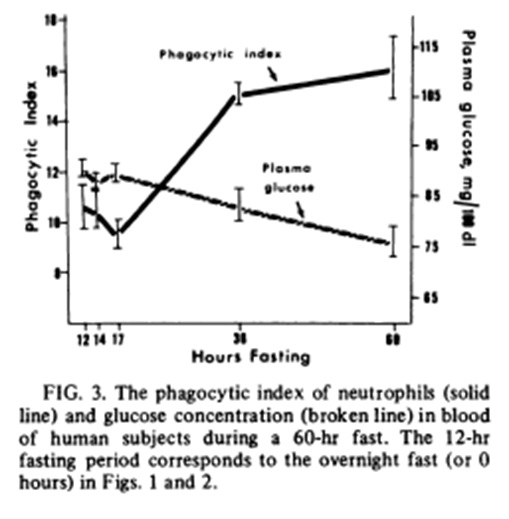
Fasting can help increase neutrophil activity, which in turn stimulates more phagocytes to gobble up more bacteria and potential infections. Many of the benefits of fasting seem to stem from reduced glucose levels. I still recommend consuming protein when you’re sick, especially in the form of grass-fed whey protein. If you are autoimmune, pea protein may be a better choice. These types of proteins are highly absorbable and very easy for your digestive system to break down.
While fasting and sipping on bone broths or various herbal teas, one of my favorites is “ginger tea.” Start by grating some high-quality ginger, or purchase some ginger tea bags, a small amount of wildflower honey, a lime or lemon rind, and a little bit of cayenne, and combine them to help support your immune system and even break down bacterial biofilms.
Your body communicates immune system activation through subtle signals that most people ignore or override. In functional medicine, I teach patients to tune in to these “whispers” rather than wait for the “screams.”
Early Warning Signs:
These signals indicate that your immune system has detected a threat and is beginning to mobilize. This is your window for intervention—the 12-24 hour period when aggressive natural protocols can prevent the full development of illness.
The Cultural Problem:
Modern culture glorifies “powering through” illness and celebrating people who work despite being sick. This is immunologically catastrophic. Your immune system requires a significant amount of energy to fight infections. When you continue your usual activities, you’re diverting energy away from immune function toward physical and mental performance.
Research demonstrates that moderate exercise is immune-supportive during health but immune-suppressive during active infection (8). The difference between a 3-day illness and a 2-week illness often comes down to whether you rested immediately when symptoms began or pushed through the first few days.
My Personal Protocol:
When I notice early warning signs, I immediately:
This isn’t weakness—it’s strategic resource allocation. I’d rather take one “easy” day at the first sign of symptoms than lose an entire week to full-blown illness.
Action Item: Learn to recognize your body’s early warning signals. When they appear, immediately reduce physical/mental demands and increase rest, nutrition, and immune support.
When your body detects an infection, it deliberately raises your temperature—you experience this as a fever. This isn’t a problem to suppress; it’s a sophisticated immune response. Elevated temperature enhances Th1 immune function, inhibits pathogen replication, and accelerates immune cell activity (9).
Understanding Fever:
Fever below 105°F is generally beneficial—it’s your immune system working correctly. The conventional medical impulse to immediately suppress fever with Tylenol or ibuprofen actually prolongs illness by interfering with the body’s natural immune responses.
Obviously, extremely high fevers (>105°F), fevers in very young children, or fevers accompanied by dangerous symptoms require medical evaluation. But moderate fevers (100-103°F) in otherwise healthy adults are typically beneficial and self-limiting.
Sauna Protocol for Immune Support:
You can mimic beneficial fever effects through sauna sessions, preparing your immune system for optimal function even before infection occurs:
Preventative Protocol:
Acute Illness Protocol:
Mechanism of Action:
Heat stress activates heat shock proteins that enhance immune cell function and protect cells from stress-induced damage. Sweating promotes detoxification of inflammatory byproducts. Increased circulation delivers immune cells and nutrients throughout the body. The parasympathetic activation during sauna sessions reduces stress hormones that suppress immunity.
Contraindications:
Avoid sauna if experiencing:
Action Item: Implement regular sauna sessions (2-3x weekly) during winter months. Increase daily sessions at the first sign of illness.
Adequate hydration supports immune function through multiple mechanisms: maintaining mucosal barriers in respiratory and digestive tracts, supporting lymphatic circulation (which transports immune cells), and facilitating elimination of inflammatory byproducts and dead pathogens.
The Formula:
Baseline: Minimum 0.5 ounces per pound of body weight daily
During illness: Increase by 25-50%
Quality Matters:
Herbal Tea Strategy:
Herbal teas provide hydration plus therapeutic compounds:
Avoid caffeinated teas during illness—caffeine is dehydrating and can interfere with sleep.
My Ginger Tea Recipe:
This is my go-to at the first sign of symptoms:
Ginger contains compounds that prevent viral adhesion to cells, support lymphatic drainage, reduce inflammation, and enhance immune function (10). This isn’t just comforting—it’s therapeutic.
Action Item: Drink a minimum of 0.5 oz per pound of body weight daily. Increase by 25-50% when sick. Add therapeutic herbal teas, especially ginger tea.
Chronic stress is one of the most devastating immune suppressors, yet it’s the factor most people dismiss as “just life.” Research demonstrates that psychological stress directly suppresses natural killer cell activity, reduces antibody production, impairs wound healing, and increases susceptibility to infections (11).
The Mechanism:
Stress activates your hypothalamic-pituitary-adrenal (HPA) axis, releasing cortisol. In acute situations (such as running from a predator), this is beneficial—it mobilizes energy for immediate survival. In chronic stress (modern life), elevated cortisol continuously suppresses immune function because your body prioritizes immediate survival over long-term health maintenance.
The Research Is Sobering:
Studies show that after a significant argument with a spouse, immune function can be measurably suppressed for up to two days (12). Chronic work stress increases susceptibility to upper respiratory infections. Financial, social, and psychological stress independently predict increased infection rates.
My Stress Management Protocol:
Daily Practices:
Physical Stress Reduction:
Adaptogenic Support:
I personally take ashwagandha daily (300-600mg standardized extract) to support stress resilience. Adaptogens help your body maintain homeostasis during unavoidable stress, preventing the immune-suppressing effects of chronically elevated cortisol. (More on adaptogens in Part 2.)
Critical Point About Relationships:
When you’re feeling under the weather, avoid unnecessary conflicts with your significant other. The immune-suppressing effects of relationship stress can extend your illness significantly. This isn’t about avoiding all conflict—it’s about strategic timing.
Action Item: Implement daily stress reduction practices. Avoid unnecessary conflict when feeling symptoms. Consider adaptogens for stress resilience.
Hand washing is the single most effective mechanical intervention for preventing the transmission of infection. Viruses and bacteria spread primarily through contact—you touch contaminated surfaces, then touch your face (particularly eyes, nose, mouth), introducing pathogens to mucous membranes.
Proper Hand Washing Technique:
Most people don’t wash their hands effectively. Follow this protocol:
Critical Timing:
Hand Sanitizer:
When soap and water aren’t available, alcohol-based hand sanitizer (60%+ alcohol) provides adequate backup. However, it doesn’t remove physical dirt and is less effective against specific pathogens. Soap and water remain superior when available.
Face-Touching Awareness:
The average person touches their face 16-23 times per hour unconsciously (13). This is how respiratory viruses primarily spread. Developing awareness and reducing face-touching during high-risk periods significantly reduces infection risk.
Action Item: Wash hands thoroughly and frequently, especially before eating and after public exposure. Develop awareness of face-touching habits and consciously reduce them.
Approximately 70-80% of your immune cells reside in your gastrointestinal tract within structures called gut-associated lymphoid tissue (GALT) and mucosa-associated lymphoid tissue (MALT) (14). Your gut isn’t just about digestion—it’s your immune system’s primary training ground and home base.
The beneficial bacteria in your gut (your microbiome) directly influence immune function through multiple mechanisms: they produce short-chain fatty acids that support immune cells, compete with pathogens for resources, modulate inflammation, and train your immune system to distinguish threats from harmless substances.
Fermented Food Strategy:
Best Options:
Implementation:
Critical Point About Antibiotics:
Antibiotics are sometimes necessary and life-saving, but they destroy beneficial bacteria along with pathogens. This is why antibiotic use should be a last resort, not a first-line response. Each antibiotic course can reduce microbiome diversity for months or years.
If you must take antibiotics:
Action Item: Add 1-2 tablespoons fermented foods daily to meals. Choose unpasteurized varieties from the refrigerated section of health food stores.
Fasting or caloric restriction activates cellular autophagy—your body’s process for clearing damaged cells and cellular debris. During fasting, neutrophil activity increases, leading to more phagocytic cells that devour bacteria and pathogens (15).
The Mechanism:
Many benefits of fasting for immunity stem from reduced glucose levels. Remember that glucose competes with vitamin C for receptors on immune cells. When glucose levels drop during fasting, vitamin C can more effectively enter immune cells and support them.
Additionally, fasting shifts your body from growth and proliferation to repair and maintenance, reallocating resources toward immune function and cellular cleanup.
My Fasting Protocol for Illness:
I don’t recommend complete water fasting during active illness—your immune system requires amino acids to produce antibodies and immune cells. Instead, I use modified fasting:
Protein-Sparing Modified Fast:
Intermittent Fasting (Preventative):
Protein Considerations:
When sick, I recommend maintaining protein intake even during modified fasting:
These proteins are highly absorbable and require minimal digestive energy while providing amino acids for antibody production and immune cell synthesis.
Action Item: During illness, implement protein-sparing modified fast with bone broth, protein powder, and herbal teas. Consider intermittent fasting during healthy periods to support baseline immune function.
Your immune system is protein-intensive. Antibodies are proteins. Immune cells require amino acids for production and function. Inadequate protein intake directly compromises your ability to mount effective immune responses.
Protein Requirements:
General population: 0.5-0.7g per pound of body weight daily
During illness: 0.7-1.0g per pound of body weight daily
Examples:
Best Protein Sources:
Animal proteins (complete amino acid profiles):
Plant proteins (for those avoiding animal products):
Digestibility Matters:
During illness, when digestive function may be compromised, emphasize easy-to-digest proteins:
Avoid difficult-to-digest proteins during active illness:
Action Item: Consume minimum 0.5g protein per pound body weight daily. Increase to 0.7-1.0g per pound when sick. Emphasize highly digestible sources during illness.
This is the most crucial concept in this entire article, so pay close attention:
Antibiotics do NOT make your immune system stronger.
Antibiotics kill pathogens that are overwhelming your immune system, but they do nothing to enhance your body’s natural defense capabilities. In fact, by destroying beneficial gut bacteria, antibiotics often weaken long-term immunity.
Every recommendation in this article genuinely strengthens your immune function—they enhance your Th1 frontline defense, improve immune cell production, provide resources for antibody synthesis, and optimize the environment in which your immune system operates.
The Natural Approach:
The Antibiotic Approach:
I’m not anti-antibiotic—they’re sometimes necessary and life-saving. But they should be a last resort after natural immune support has been maximized, not a first-line response to every infection. Building genuine immune resilience means your body handles infections naturally, without requiring pharmaceutical intervention for every cold or flu.
Let me synthesize all of this into a clear, actionable protocol you can implement immediately:
Daily Preventative Protocol (Year-Round):
Enhanced Winter Protocol (November – March):
Acute Illness Protocol (First Sign of Symptoms):
These lifestyle foundations are critical, but strategic supplementation provides additional immune support that can make the difference between staying healthy and getting sick. In Part 2, I’ll cover my complete supplement protocols:
Preventative Supplement Protocol:
Acute Illness Protocol:
Advanced Strategies:
Continue to Part 2: Immune-Boosting Supplements and Protocols →
You now understand the foundational principles that determine whether you stay healthy or get sick repeatedly. The difference isn’t luck—it’s strategic implementation of proven immune-supporting lifestyle factors.
Start with sleep and sugar elimination. Add vitamin D supplementation. Manage stress proactively. These three factors alone will transform your immune resilience.
If you’re struggling with recurring infections or want personalized immune optimization, I invite you to schedule a free 15-minute consultation with our clinic. We’ll discuss your specific situation and determine whether comprehensive functional medicine testing and protocol development would benefit you.
Schedule Your Free Consultation Now →
The power to stay healthy is in your hands. Every choice either supports or sabotages your immune defenses. Choose wisely.
Scientific References:
About Dr. Justin Marchegiani
Dr. Justin Marchegiani is a leading functional medicine practitioner specializing in gut health, hormone optimization, and immune system restoration. With over 20 years of clinical experience, he has helped thousands of patients overcome chronic health challenges through comprehensive testing, personalized protocols, and science-based natural interventions. Dr. Marchegiani is the founder of Just In Health clinic in Austin, Texas, and hosts the popular “Beyond Wellness” podcast.
Connect With Dr. Marchegiani:
Disclaimer: This article is for educational purposes only and is not intended as medical advice. Always consult with a qualified healthcare provider before making changes to your diet, supplement regimen, or treatment protocol, especially if you have underlying health conditions or are taking medications.
====================
IN CASE YOU MISSED IT:
Sleep Strategies That Work Like Magic for Insomnia with Evan Brand | Podcast #465
The Critical Role of Sleep in Brain Function, Hormonal Balance, and Recovery
 speak pipe
 Rumble
 Youtube
 Apple
Apple
 LIBSYN
 Bitchute