
Description
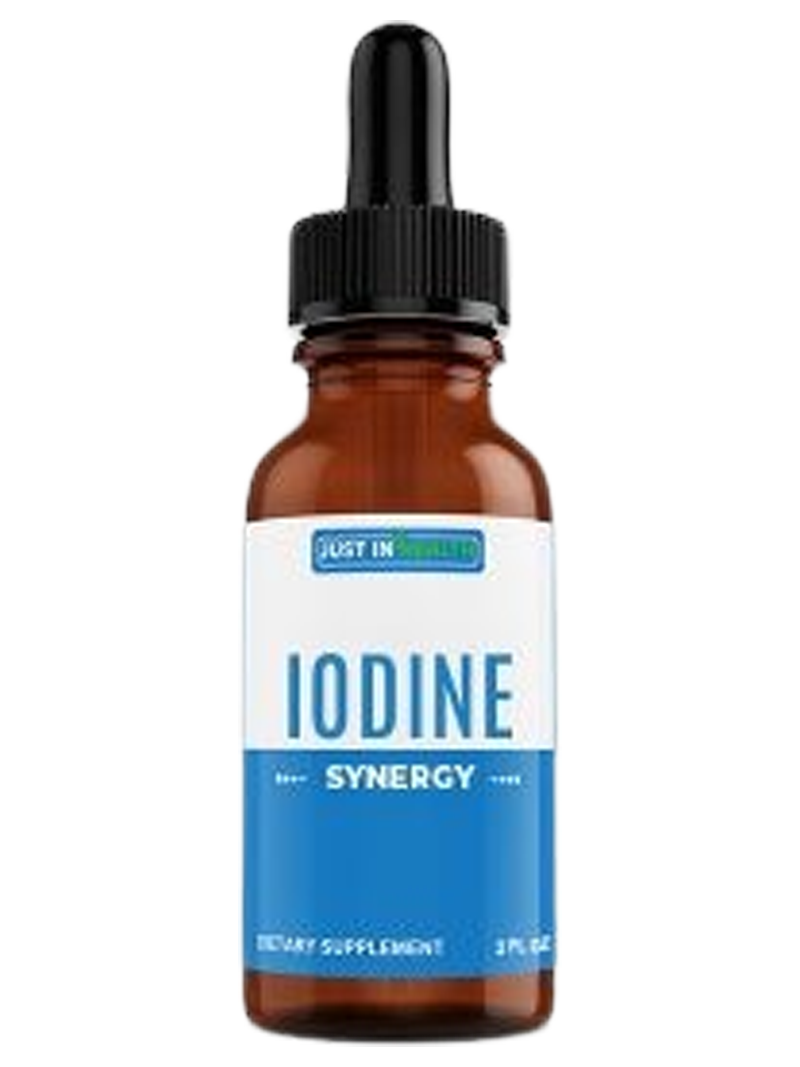
Iodine Synergy – Precision Tissue-Selective Iodine Optimization System
The Iodine Paradox: Why Most People Get It Wrong
Five years ago, I attended a conference where an integrative endocrinologist presented research that completely shattered my understanding of iodine supplementation. She displayed two thyroid ultrasounds side by side—one from a patient in coastal Japan consuming abundant dietary iodine, the other from an American patient taking high-dose iodine supplements. “Notice anything?” she asked. The Japanese thyroid appeared uniformly healthy with proper tissue density. The American thyroid showed irregular nodular patterns despite seemingly adequate iodine intake.
The revelation wasn't about iodine quantity—it was about iodine form, delivery, and the body's sophisticated tissue-selective iodine distribution system. She explained something that fundamentally changed how I viewed this essential element: “Your body doesn't just need iodine for your thyroid. It requires precise iodine concentrations in your salivary glands, gastric lining, breast tissue, ovaries, and at least a dozen other organs. When you flood the system with poorly-absorbed iodine forms, you create imbalances rather than optimization.”
That presentation revealed that iodine deficiency remains one of the world's most widespread nutritional deficiencies, yet iodine supplementation is one of the most frequently misunderstood interventions. The form matters. The dose matters. The delivery system matters profoundly.
Iodine Synergy represents a precision approach to iodine optimization: a Tissue-Selective Iodine Delivery System utilizing pharmaceutical-grade potassium iodide in a controlled-release liquid format that allows for individualized dosing based on tissue-specific iodine requirements and personal biochemistry.
Why Standard Iodine Supplements Fall Short
Most iodine supplements take a crude, one-size-fits-all approach—typically providing massive megadoses without consideration for individual tissue needs, absorption capacity, or thyroid sensitivity. This oversimplified strategy fails to address four critical realities:
The Tissue Distribution Challenge: Iodine isn't just a “thyroid mineral.” While approximately 70-80% of body iodine concentrates in the thyroid gland, significant iodine stores exist in salivary glands (collecting iodine at 30-40 times plasma concentration), gastric mucosa (essential for proper stomach acid production), breast tissue (concentrated at levels similar to thyroid tissue), ovarian tissue, prostate glands, and even the choroid plexus of the brain. Standard supplements that flood the system with excessive iodine disrupt this delicate tissue-selective distribution.
The Absorption Variability Problem: Iodine absorption and utilization vary dramatically between individuals based on thyroid status, autoimmune activity, selenium levels, competing halide exposure (fluoride, bromide, chloride), and gastrointestinal health. Tablets and capsules with fixed doses prevent dose optimization, while many liquid preparations use elemental iodine forms that can irritate sensitive tissues or trigger adverse reactions in thyroid-compromised individuals.
The Autoimmune Sensitivity Gap: For the significant percentage of the population with Hashimoto's thyroiditis or other thyroid autoimmunity, excessive iodine supplementation can actually exacerbate autoimmune thyroid destruction by increasing thyroid peroxidase activity and hydrogen peroxide generation. Standard high-dose supplements ignore this crucial population, while low-dose precision approaches allow for gradual, monitored iodine repletion without triggering autoimmune flares.
The Synergistic Cofactor Requirement: Optimal iodine utilization requires adequate selenium (for glutathione peroxidase protection and deiodinase function), magnesium (for thyroid hormone receptor sensitivity), zinc (for thyroid hormone synthesis), vitamin C (for iodine transport), and B vitamins (for thyroid hormone metabolism). Providing isolated iodine without addressing these cofactor requirements creates metabolic bottlenecks.
The Iodine Synergy Tissue-Selective Optimization Strategy
Iodine Synergy implements a precision four-phase approach specifically designed for comprehensive whole-body iodine optimization while respecting individual thyroid sensitivity and tissue-specific iodine requirements:
Phase 1: Controlled Precision Delivery – Pharmaceutical-grade potassium iodide in precise 150 mcg per drop liquid format enables individualized dosing tailored to personal iodine status, thyroid sensitivity, and tissue-specific requirements, allowing gradual optimization rather than system-flooding megadoses.
Phase 2: Bioavailable Iodide Form – Potassium iodide provides the reduced iodide (I⁻) form that the body preferentially absorbs through sodium-iodide symporter (NIS) transporters in thyroid and extrathyroidal tissues, ensuring efficient cellular uptake without the gastric irritation or oxidative stress that elemental iodine can create.
Phase 3: Tissue-Selective Distribution Support – The physiological 150 mcg dose supports the body's natural tissue-selective iodine concentration mechanisms, allowing proper distribution to thyroid glands, salivary glands, gastric mucosa, breast tissue, ovarian tissue, and other iodine-dependent organs without overwhelming thyroid capacity.
Phase 4: Flexible Individualization Protocol – The single-drop precision format allows for personalized dosing protocols—from conservative thyroid-sensitive approaches (1 drop daily) to moderate optimization (2 drops daily) to practitioner-supervised higher-dose protocols—enabling each individual to find their optimal iodine intake.
The Science Behind Tissue-Selective Iodine Optimization
Understanding Whole-Body Iodine Distribution
The common misconception that “iodine is just for the thyroid” represents one of the most significant gaps in nutritional understanding. While the thyroid gland indeed concentrates iodine at remarkably high levels—storing approximately 70-80% of total body iodine despite being only 0.04% of body weight—numerous other tissues have evolved sophisticated iodine concentration and utilization systems.
Salivary Gland Iodine Concentration: Research demonstrates that salivary glands express high levels of the sodium-iodide symporter (NIS), allowing salivary tissue to concentrate iodine at 30-40 times plasma levels. This salivary iodine provides antimicrobial protection in the oral cavity, supports proper pH regulation of saliva, and may play roles in oral tissue health.
Gastric Mucosa Iodine Utilization: The stomach lining concentrates iodine significantly, with research suggesting roles in gastric acid production, mucus secretion, and protection of gastric epithelial cells from oxidative damage. Studies show that iodine deficiency can impair proper stomach acid production and compromise the protective mucus layer.
Breast Tissue Iodine Concentration: Perhaps most clinically significant after the thyroid, breast tissue (particularly lactating mammary glands) concentrates iodine at levels comparable to or exceeding thyroid tissue. Breast tissue iodine serves critical roles in mammary gland development, milk production during lactation, and appears to have protective antioxidant and antiproliferative effects on breast tissue.
Ovarian and Reproductive Tissue Iodine: Female reproductive tissues, including ovaries and uterus, concentrate iodine and express iodine-related genes. Research indicates iodine plays roles in ovarian function, hormone production, and may influence menstrual cycle regularity.
This whole-body iodine distribution system means that addressing iodine deficiency requires thinking beyond thyroid hormone production to consider comprehensive tissue-specific iodine requirements throughout the body.
Thyroid Iodine Metabolism: The Core Function
The thyroid gland remains the primary site of iodine utilization and the organ most sensitive to both iodine deficiency and iodine excess. Understanding thyroid iodine metabolism is essential for intelligent iodine supplementation.
The Sodium-Iodide Symporter (NIS): Thyroid follicular cells express the NIS transporter on their basolateral membrane, actively transporting iodide ions from the bloodstream into thyroid cells against a concentration gradient. This remarkable system can concentrate iodine in thyroid tissue at 20-40 times plasma levels, creating the iodine reservoir necessary for thyroid hormone synthesis.
Thyroid Hormone Synthesis Process: Once concentrated in thyroid follicular cells, iodide enters the follicular lumen where the enzyme thyroid peroxidase (TPO) oxidizes iodide to reactive iodine species using hydrogen peroxide, then catalyzes the iodination of specific tyrosine residues on thyroglobulin. The iodination process creates monoiodotyrosine (MIT, one iodine) and diiodotyrosine (DIT, two iodines). TPO then couples these iodinated tyrosines: two DIT molecules create T4 (thyroxine, containing four iodine atoms), while one MIT plus one DIT creates T3 (triiodothyronine, containing three iodine atoms).
The Wolff-Chaikoff Effect: An important protective mechanism called the Wolff-Chaikoff effect prevents excessive thyroid hormone synthesis when iodine intake becomes very high. When intrathyroidal iodine concentrations exceed certain thresholds, iodine itself inhibits TPO activity and iodine organification, temporarily reducing thyroid hormone synthesis. In susceptible individuals—particularly those with underlying thyroid autoimmunity or thyroid damage—the Wolff-Chaikoff effect can persist, creating iodine-induced hypothyroidism.
The Potassium Iodide Advantage
Iodine Synergy specifically utilizes potassium iodide rather than elemental iodine, molecular iodine, or other iodine forms—a deliberate choice based on absorption, bioavailability, and safety considerations.
Superior Absorption Profile: Potassium iodide provides iodide ions (I⁻) in the reduced, negatively-charged form that the sodium-iodide symporter (NIS) recognizes and actively transports. This matches the body's preferred iodine form for cellular uptake. Elemental iodine (I₂) or iodate (IO₃⁻) must first be converted to iodide before efficient absorption.
Reduced Gastric Irritation: Elemental iodine and iodine-iodide solutions can irritate gastric mucosa and esophageal tissue, potentially causing nausea, stomach discomfort, or metallic taste. Potassium iodide in solution is significantly gentler on the gastrointestinal tract.
Lower Oxidative Stress: Elemental iodine (I₂) is an oxidizing agent that can generate reactive oxygen species during its reduction to iodide. For individuals with compromised antioxidant status or thyroid tissue already under oxidative stress (common in autoimmune thyroid disease), this additional oxidative burden may be problematic.
Physiological Form Delivery: The body's tissues that concentrate iodine—thyroid, salivary glands, gastric mucosa, breast tissue—all utilize the NIS transporter which specifically recognizes and transports iodide (I⁻). By providing iodine in this physiological form, potassium iodide ensures optimal uptake by all iodine-dependent tissues.
The Precision Dosing Philosophy
Iodine Synergy's 150 mcg per drop formulation represents a carefully considered dosing strategy that bridges the gap between standard nutritional recommendations and therapeutic iodine support while respecting individual variability and thyroid sensitivity.
The RDA Context: The recommended dietary allowance (RDA) for iodine is 150 mcg daily for adults, 220 mcg during pregnancy, and 290 mcg during lactation. These values represent the minimum intake needed to prevent iodine deficiency disorders and maintain adequate thyroid hormone production.
The Individualization Imperative: Individual iodine requirements vary dramatically based on numerous factors: current iodine status (deficient individuals need higher intakes initially), thyroid health (autoimmune thyroid disease requires cautious, gradual repletion), competing halide exposure, stress levels, pregnancy/lactation status, and age. The single-drop liquid format allows precise dose adjustment.
The Conservative Escalation Approach: For individuals with unknown iodine status or suspected thyroid sensitivity, beginning with 150 mcg daily (one drop) provides modest supplementation at the RDA level while allowing monitoring for any adverse responses. Those tolerating this dose well can gradually increase to 300 mcg daily (two drops) for more robust optimization.
Comprehensive Iodine Optimization Protocols
Foundational Daily Support (Conservative Approach)
Standard Protocol: Begin with one drop daily (150 mcg iodine), taken with food, preferably at breakfast or with your morning meal. Taking iodine with food reduces any potential gastric irritation and provides the dietary cofactors (particularly selenium from protein foods) that support optimal iodine utilization.
This conservative dose provides the RDA level of iodine, making it appropriate for:
- Individuals with unknown iodine status who want to ensure adequate intake
- Those with suspected or confirmed thyroid autoimmunity who need gradual, cautious iodine support
- People taking thyroid hormone medications who want to support iodine status without overwhelming their thyroid
- Individuals maintaining adequate iodine levels after previous optimization
Moderate Optimization Protocol
Enhanced Support: After confirming good tolerance at one drop daily for 4-8 weeks, increase to two drops daily (300 mcg total iodine). This can be taken as one drop twice daily (with breakfast and dinner) or both drops together with your morning meal.
This moderate dose (double the RDA) is appropriate for:
- Individuals confirmed or suspected to have mild iodine deficiency
- Those living in areas with known iodine-depleted soils or low dietary iodine availability
- Vegetarians and vegans who avoid iodine-rich foods like seafood and dairy
- Women in preconception, pregnancy, or lactation (under healthcare provider guidance)
- People with higher iodine requirements due to competing halide exposure
Duration: Continue at this moderate dose for at least 3-6 months to allow tissue iodine stores to optimize, then reassess through urinary iodine testing or clinical response.
Advanced Optimization Protocol (Practitioner-Supervised)
Some individuals with confirmed significant iodine deficiency, high halide burden, or specific therapeutic goals may benefit from higher doses of 450-600 mcg daily (3-4 drops) or even higher. However, these doses should be pursued only under healthcare provider supervision with appropriate monitoring.
Complementary Nutritional Strategies
Dietary Iodine Sources: While Iodine Synergy provides targeted supplementation, consuming iodine-rich foods supports comprehensive iodine optimization: sea vegetables, fish and seafood, dairy products, eggs, and iodized salt.
Selenium Optimization: Ensure adequate selenium intake through Brazil nuts (1-2 nuts daily), seafood, organ meats, or selenium supplementation (100-200 mcg daily) to support the glutathione peroxidases and deiodinases essential for safe iodine metabolism.
Halide Reduction: Reducing exposure to competing halides optimizes iodine utilization: use fluoride-free toothpaste, choose organic produce to reduce bromide exposure, avoid brominated vegetable oil, and minimize chlorine exposure.
Why Iodine Synergy Represents a Superior Approach (continued)
Autoimmune-Conscious Formulation: The moderate per-drop dosing and liquid format allow for the ultra-conservative, gradual escalation protocols that individuals with thyroid autoimmunity require, making safe iodine optimization possible even for this sensitive population.
Professional Flexibility: The precision dosing and clean formulation (no unnecessary additives, only essential stabilizers) make Iodine Synergy ideal for practitioner protocols ranging from basic nutritional support to advanced therapeutic interventions.
Cofactor-Compatible Design: The focused formulation provides iodine without conflicting ingredients, allowing easy combination with selenium, magnesium, zinc, and other thyroid-supportive nutrients as part of a comprehensive optimization protocol.
Frequently Asked Questions
Q: How is Iodine Synergy different from iodized salt?
While iodized salt provides iodine (about 75 mcg per 1/4 teaspoon), many people limit salt intake for cardiovascular reasons or use non-iodized salts (sea salt, Himalayan salt) which contain minimal iodine. Iodine Synergy provides precise, measured iodine supplementation independent of salt consumption, allowing you to optimize iodine status without increasing sodium intake.
Q: Can I take Iodine Synergy if I have Hashimoto's thyroiditis?
Individuals with thyroid autoimmunity must approach iodine supplementation cautiously, as excessive iodine can exacerbate autoimmune activity. However, adequate iodine remains essential for thyroid function. Begin with just 1 drop daily (150 mcg) or even 1 drop every other day, monitor carefully for any worsening symptoms, and work with a healthcare provider who can monitor thyroid antibodies and function.
Q: How do I know if I need iodine supplementation?
Iodine deficiency can manifest as: unexplained fatigue, weight gain, cold intolerance, dry skin, hair loss, brain fog, menstrual irregularities, and fibrocystic breast changes. However, many symptoms overlap with other conditions. The most accurate assessment is urinary iodine testing. Population groups at higher risk include vegetarians/vegans, pregnant/lactating women, people avoiding iodized salt, and those living in iodine-depleted regions.
Q: Why potassium iodide instead of other iodine forms?
Potassium iodide provides iodine in the iodide (I⁻) form—the reduced form that the body's sodium-iodide symporter specifically recognizes and transports into thyroid and extrathyroidal tissues. This matches the body's physiological preference for iodine uptake. Elemental iodine must first be reduced to iodide for optimal absorption and can cause gastric irritation or generate oxidative stress.
Q: Can I take Iodine Synergy with my thyroid medication?
Yes, but timing is important. Take your thyroid medication on an empty stomach as prescribed (typically first thing in the morning), wait 30-60 minutes, then take Iodine Synergy with food. Note that optimizing iodine status may affect your thyroid hormone requirements over time, so maintain regular communication with your healthcare provider.
Q: Should I take selenium with iodine?
Selenium is essential for safe iodine metabolism and optimal thyroid function. Research demonstrates that iodine supplementation in selenium-deficient individuals can actually worsen thyroid function by increasing oxidative stress without adequate antioxidant protection. Ensure adequate selenium status through dietary sources (Brazil nuts, seafood) or selenium supplementation (100-200 mcg daily) alongside iodine optimization.
Supplement Facts
Serving Size: 1 drop
Servings Per Container: Approximately 600
| Ingredient | Amount Per Serving | % Daily Value |
|---|---|---|
| Iodine (as potassium iodide) | 150 mcg | 100% |
Other Ingredients: Purified water, citric acid (for pH optimization), potassium sorbate (preservative), sodium benzoate (preservative).
Quality Assurance & Purity
Iodine Synergy is manufactured in an FDA-registered, GMP-certified facility using pharmaceutical-grade potassium iodide with rigorous quality control testing to ensure purity, potency, and safety.
Dietary Considerations:
✓ Gluten-Free
✓ Dairy-Free
✓ Vegan/Vegetarian
✓ No artificial colors or flavors
✓ Non-GMO
Important Safety Information
Recommended Use: Take one drop, one to two times daily as a dietary supplement, or as directed by your healthcare professional. May be taken directly under the tongue, mixed in water or juice, or added to food.
Warnings:
⚠ Consult your healthcare provider before use if you are pregnant or nursing
⚠ Consult your healthcare provider before use if you have thyroid disease, thyroid autoimmunity, or are taking thyroid medications
⚠ Do not exceed recommended dose without professional guidance
⚠ Discontinue use and consult your healthcare provider if adverse reactions occur
⚠ Keep out of reach of children
⚠ Individuals with thyroid autoimmunity should use cautiously under healthcare provider supervision
Storage: Store in a cool, dry place away from direct sunlight. Keep bottle tightly closed.
These statements have not been evaluated by the Food and Drug Administration. This product is not intended to diagnose, treat, cure, or prevent any disease.
For optimal iodine status and thyroid health, combine Iodine Synergy with adequate selenium intake, a nutrient-dense whole foods diet, stress management practices, and regular communication with your healthcare provider for thyroid monitoring and support.
========================
WATCH OUR RECENT PODCAST EPISODE:
How Gut Microbiome Imbalance Triggers Autoimmune Diseases with Evan Brand | Podcast #436
Reviews
There are no reviews yet.